L'Anònima Manresana
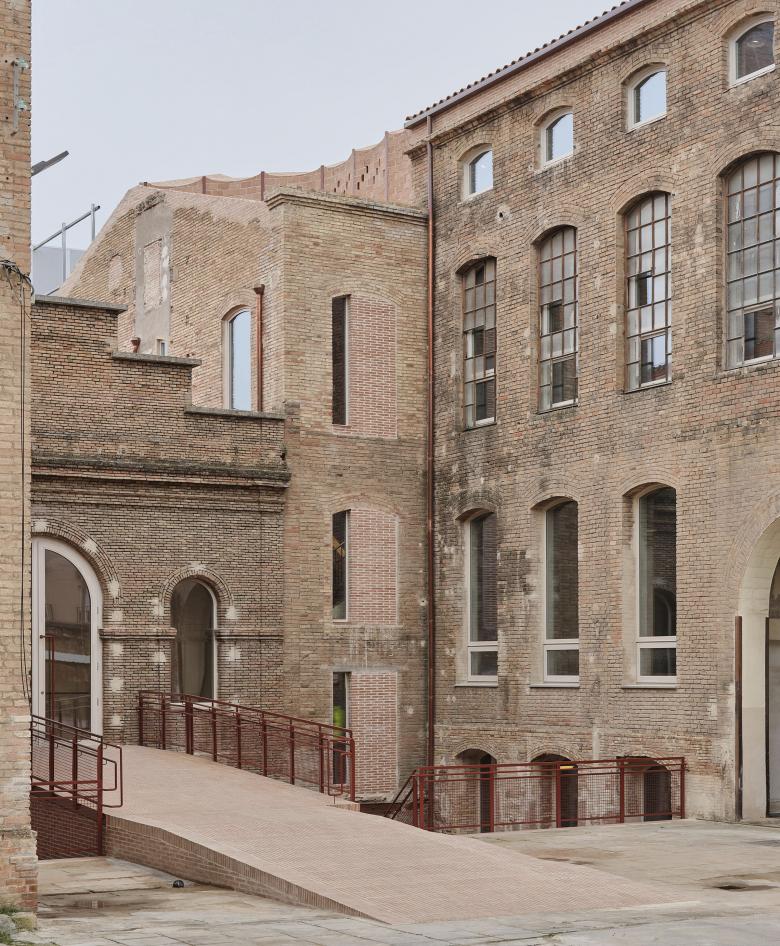
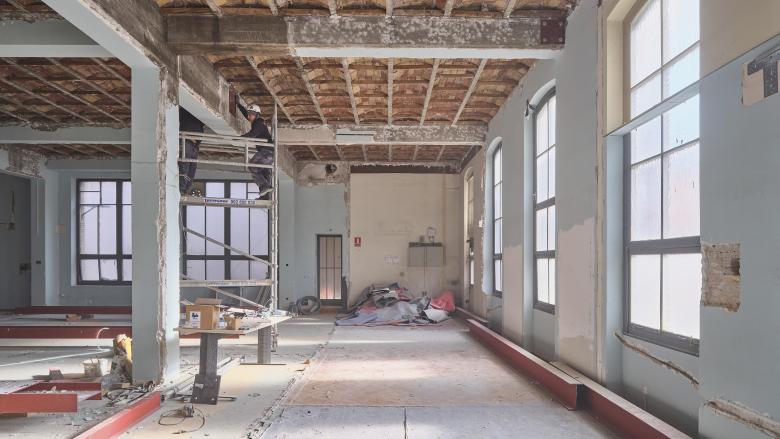
Since its construction in 1894, when it was designed by Ignasi Oms i Ponsa, the Anònima Manresana power plant has occupied a central position in the historic centre of Manresa, facilitating the production and distribution of electricity and establishing itself as a key element in the city’s urban and industrial development. The current intervention, promoted by the City Council, recovers this legacy by transforming the complex into a public facility, restoring urban centrality to an area in need of revitalisation and contributing to the social and functional regeneration of the historic district.
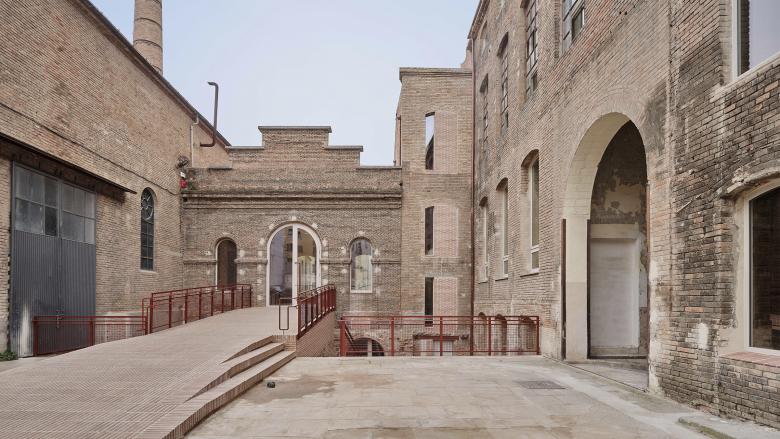
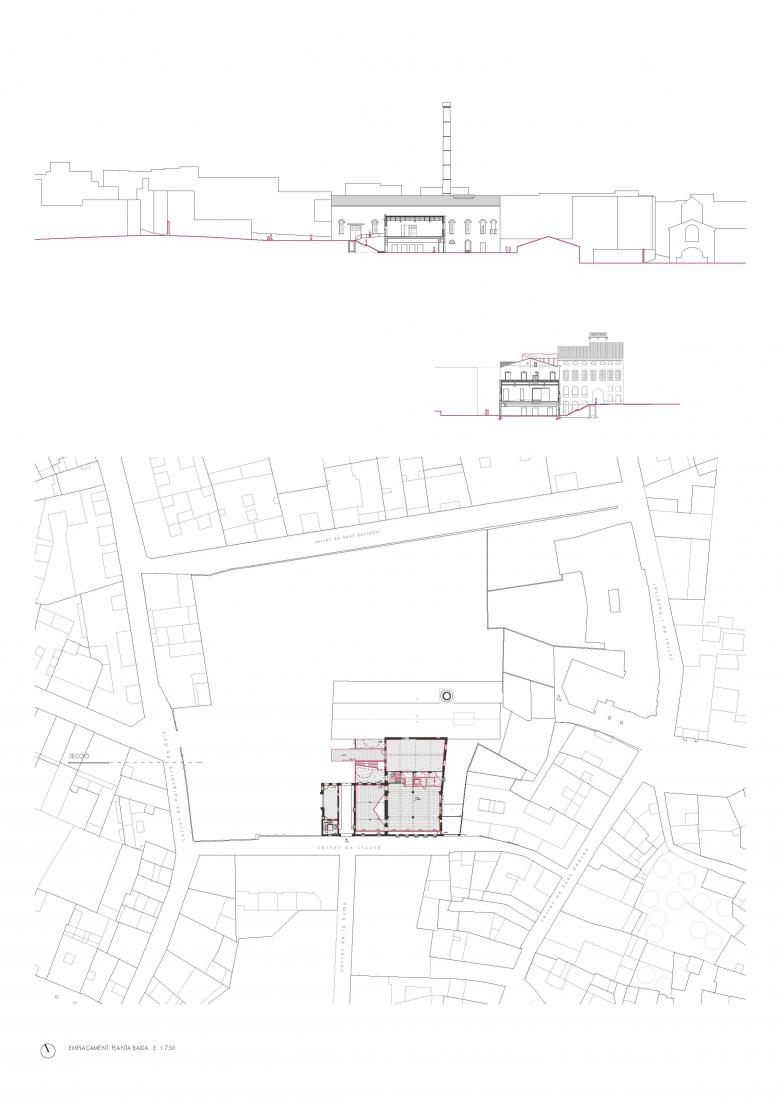
The renovation reinforces the building’s integrative vocation through an urban inclusion strategy that improves access to public services, strengthens its relationship with citizens, and transforms La Anònima into an open civic hub capable of reactivating the surrounding urban fabric. Originally embedded within a dense grid of adjoining constructions, the complex is liberated through selective demolition, enabling the creation of new public open spaces and improving its relationship with the immediate environment.
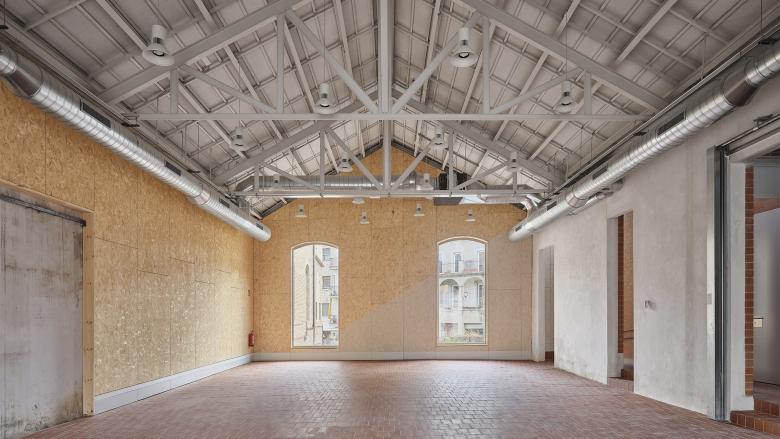
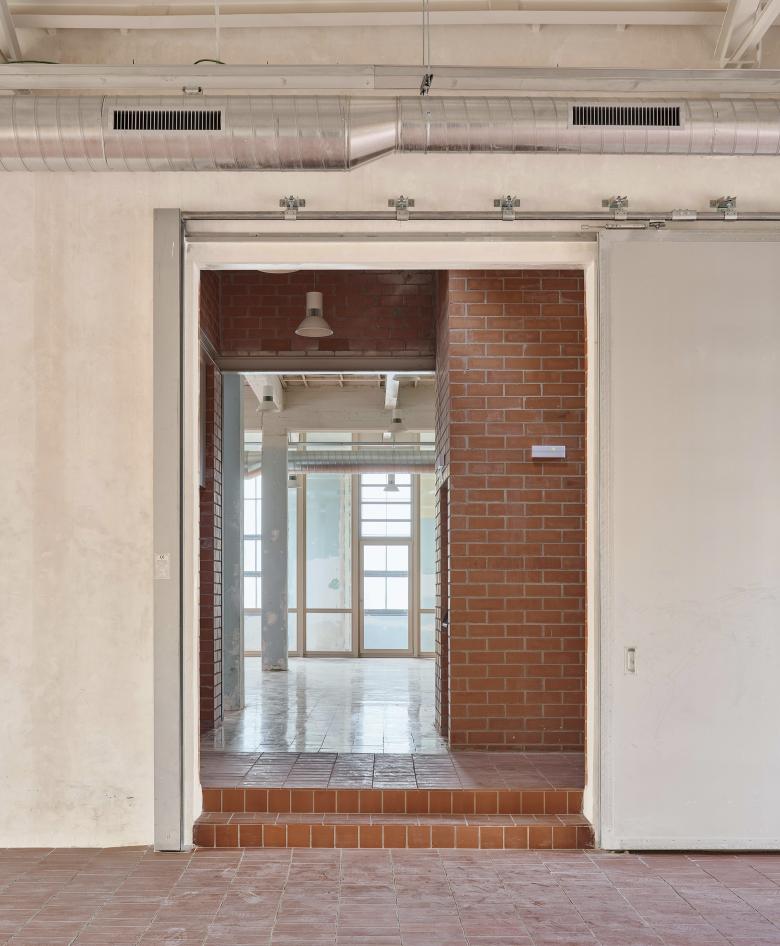
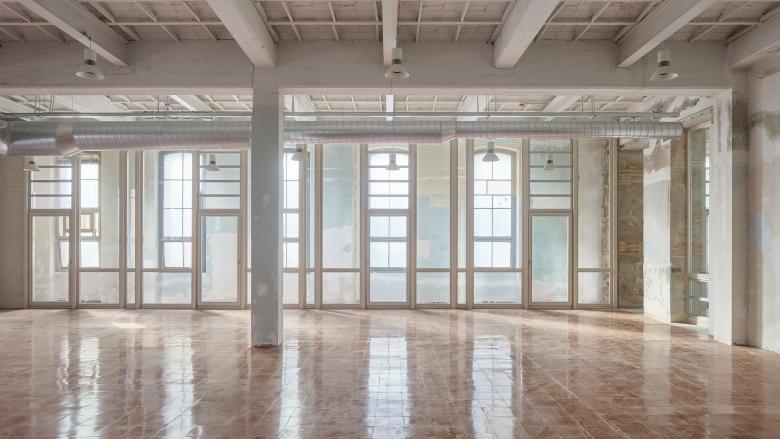
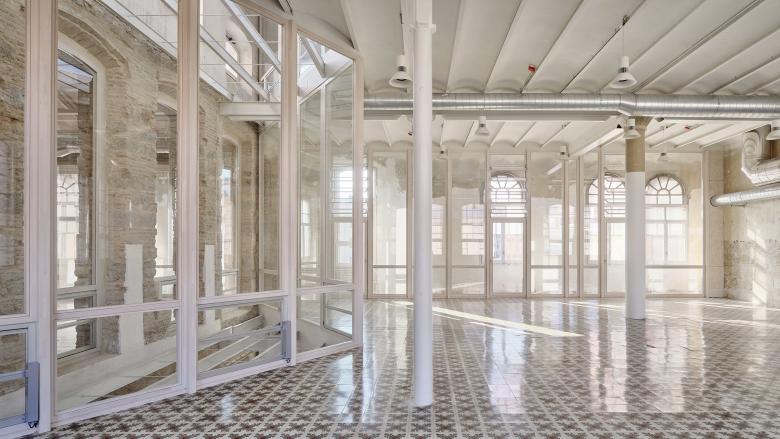
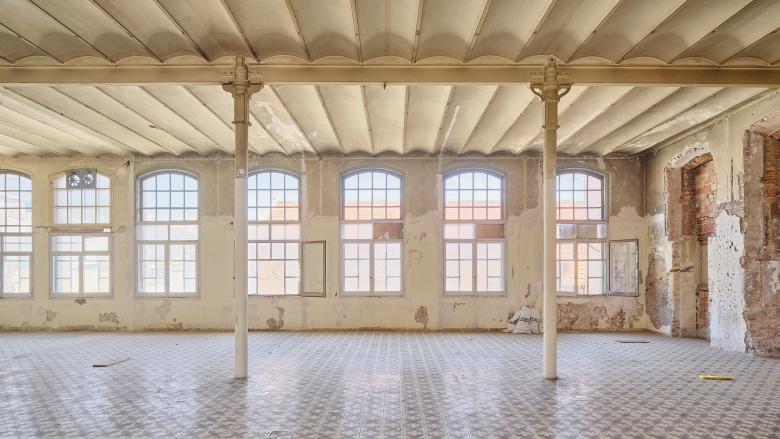
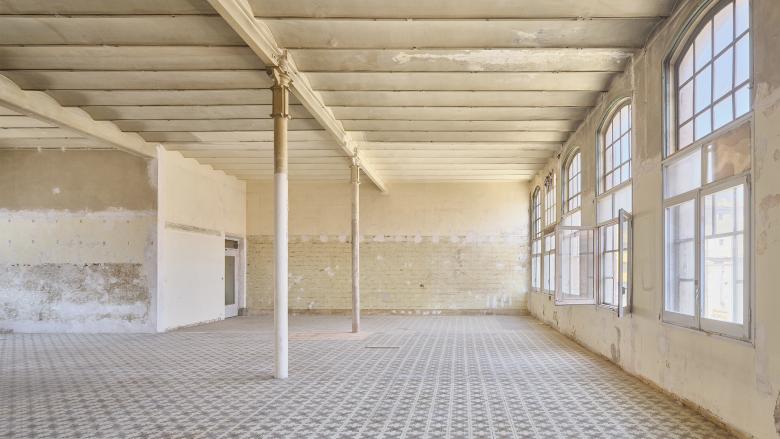
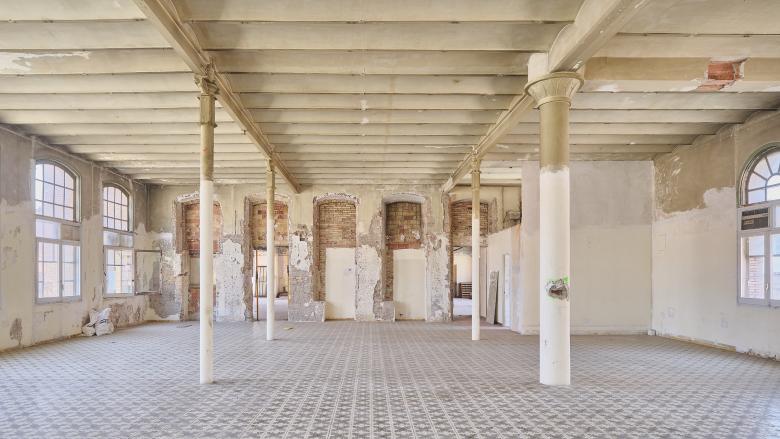
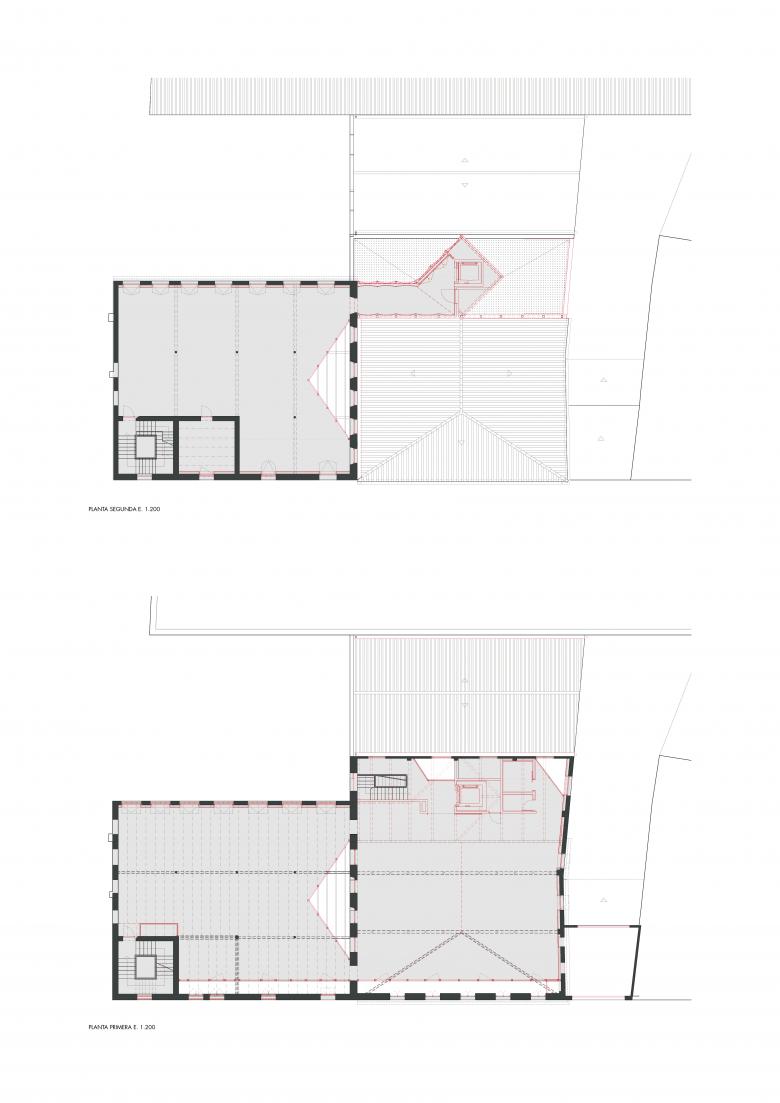
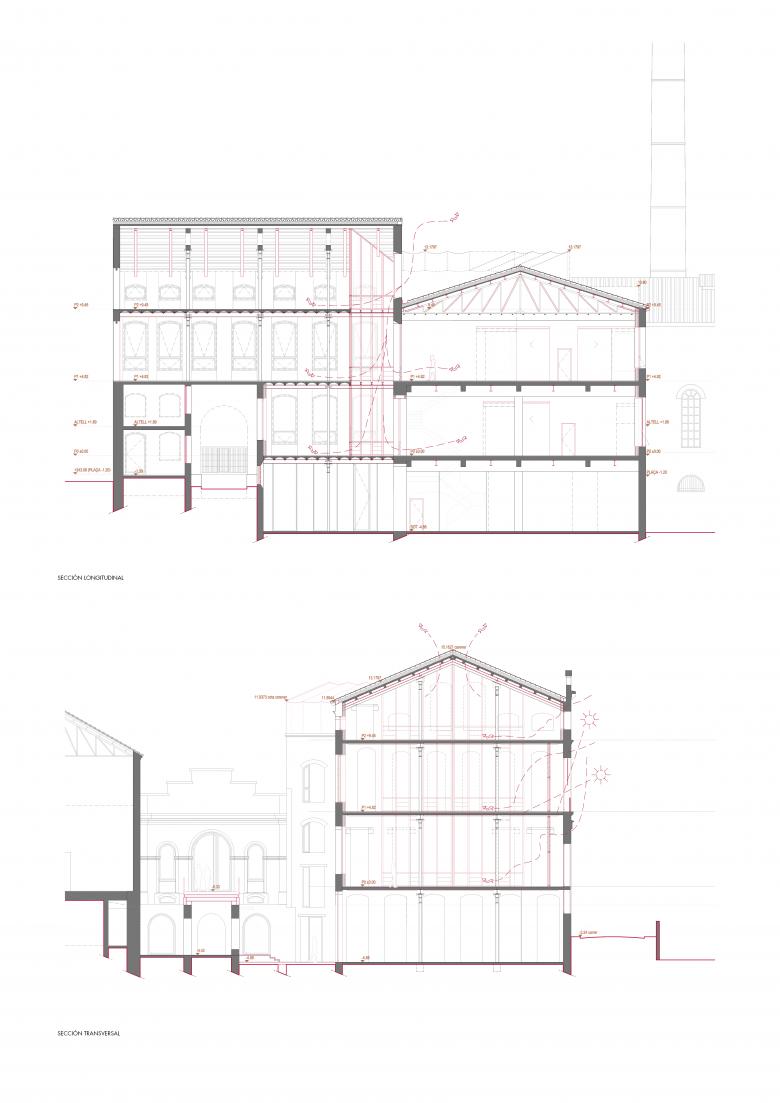
The architectural ensemble consists of three volumes: the street-facing building, originally used as a textile factory that benefited from surplus electricity; and two parallel structures accessed through a passageway and central courtyard, which housed the boilers and machinery. The basements contained coal bunkers and smoke extraction ducts connected to the large chimney. In the new functional layout, the largest volume remains open-plan to accommodate performances and multipurpose activities, while the central building has been converted into a public foyer. The upper floors of the former textile factory now house municipal offices.
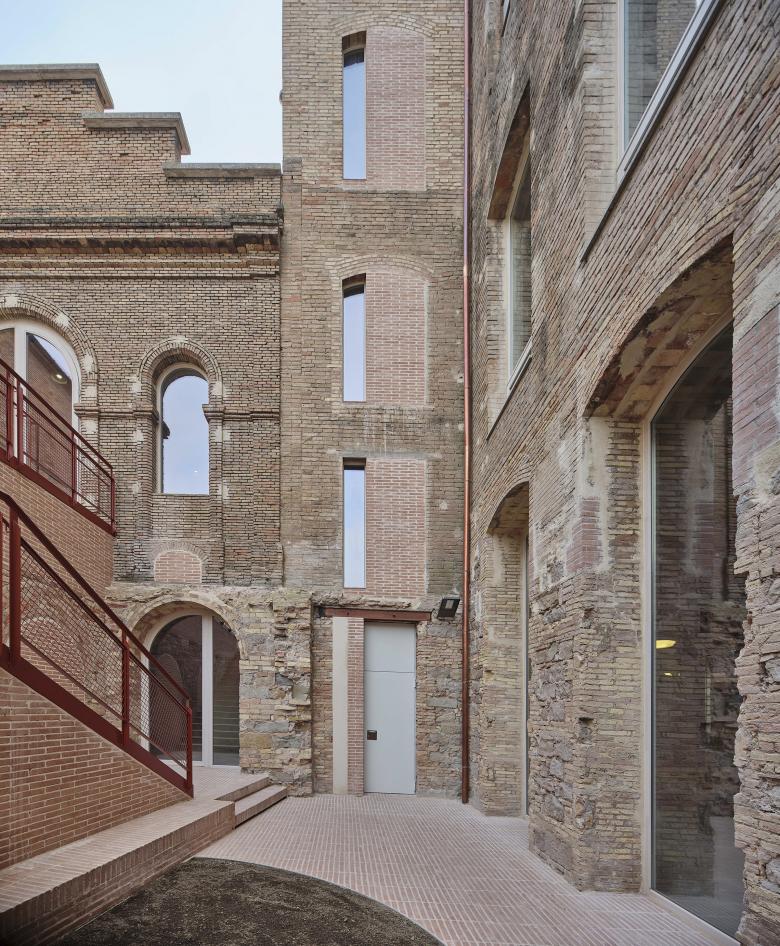
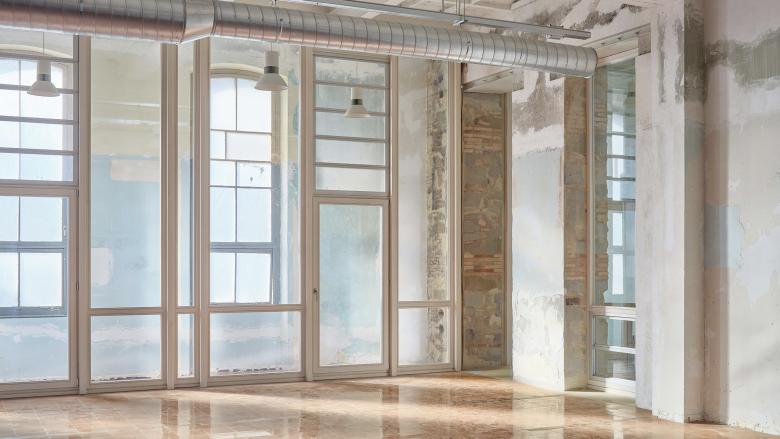
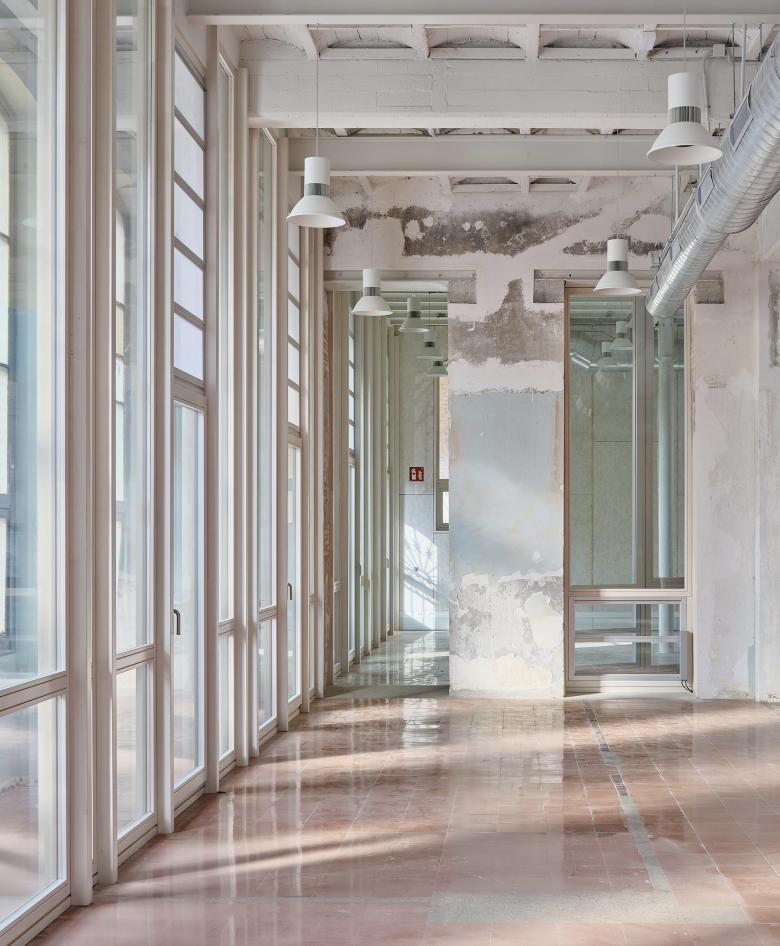
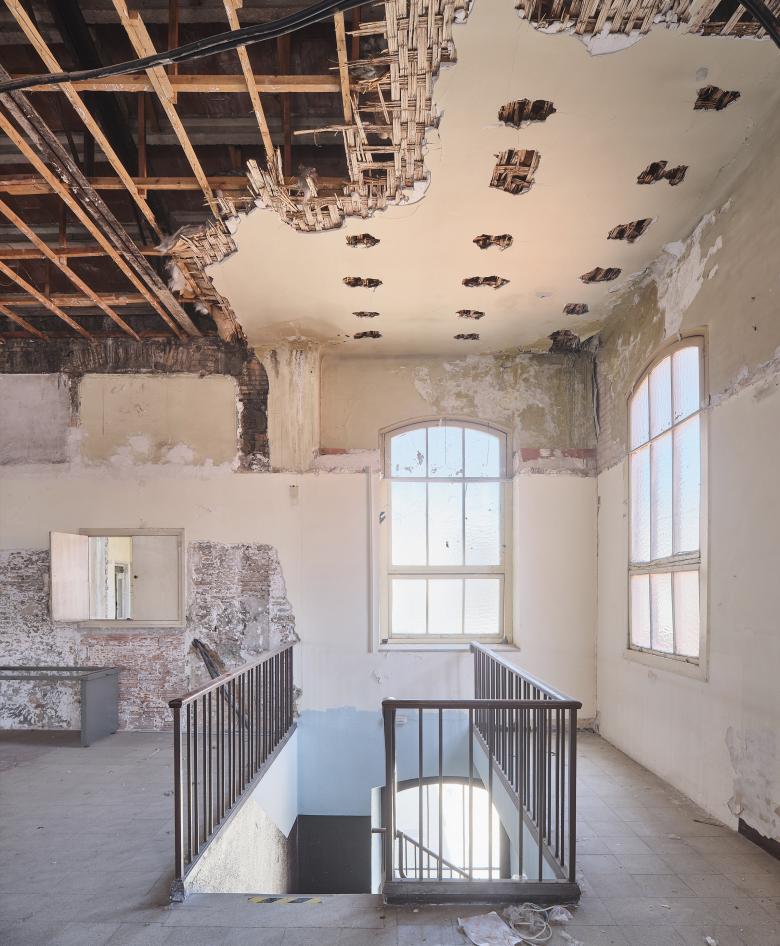
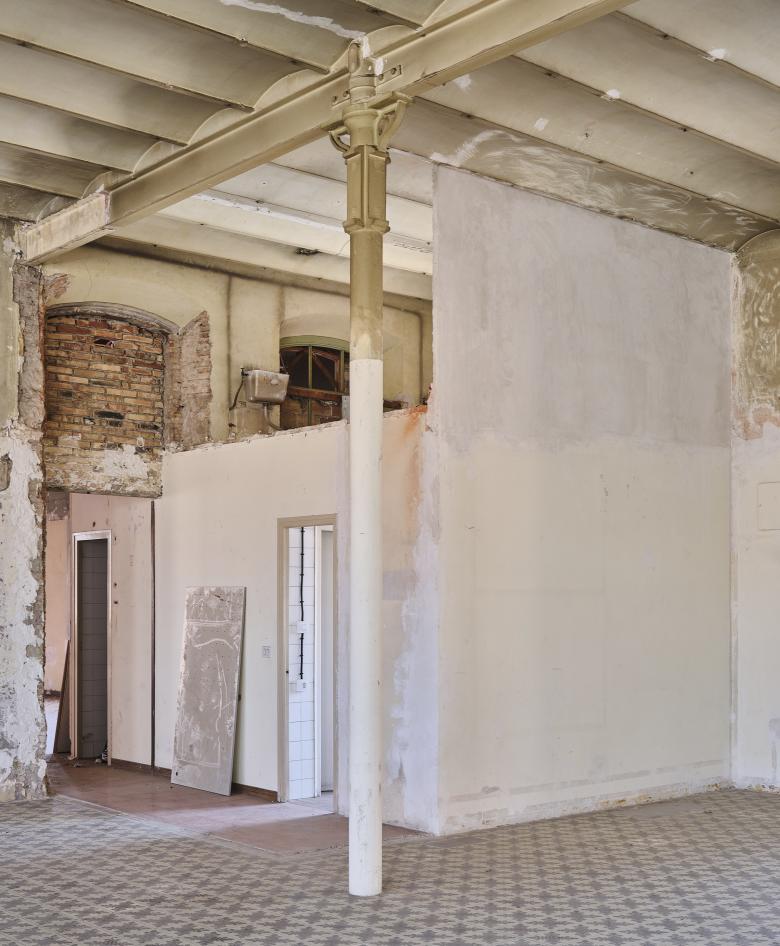
The proposal acknowledges the historical, architectural and social memory embedded in the structure and conceives it as a living organism capable of accommodating new uses without losing its identity. The intervention operates as an architectural graft between past and present, ensuring continuity while establishing a respectful dialogue between temporal layers and activating the site’s transformative potential at architectural, urban and social scales.
Initially focused on interior renovation, the project identified in the deterioration of the basement beneath the square an opportunity to generate new urban connections. The excavation and clearance of these spaces allowed them to be opened to natural light and public space, transforming a structural limitation into an added value that enhances the environmental, social and spatial conditions of the area.
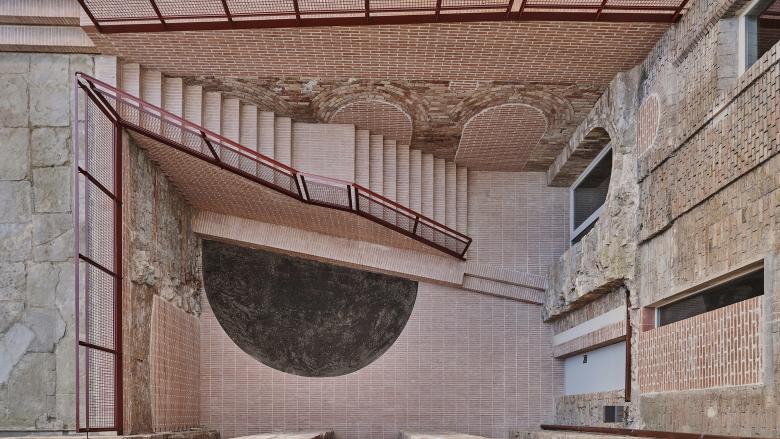
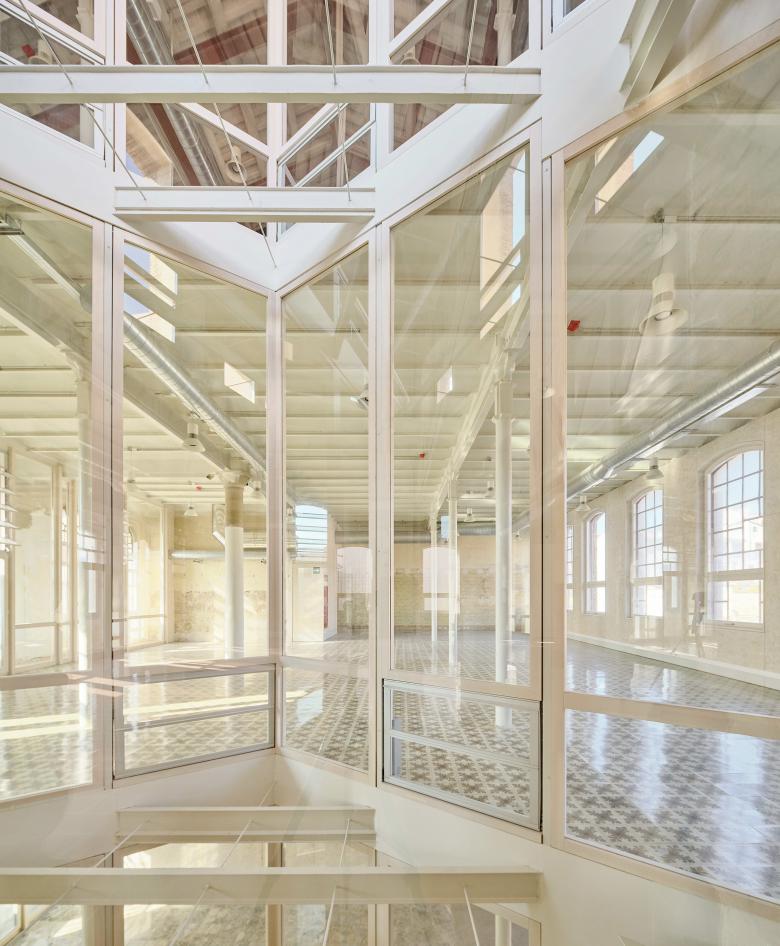
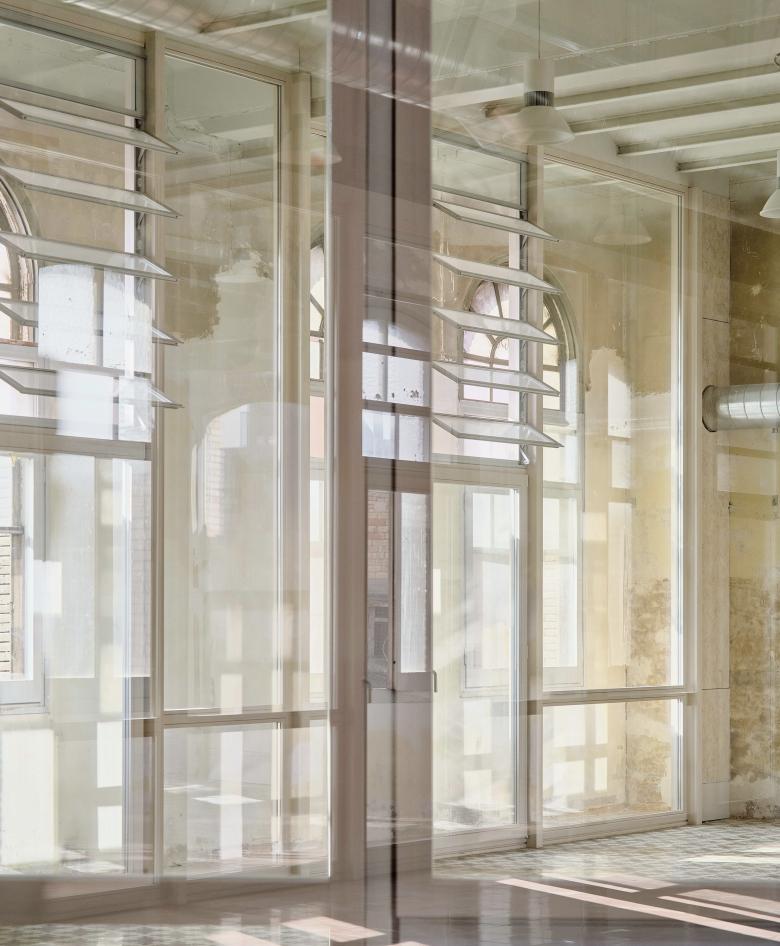
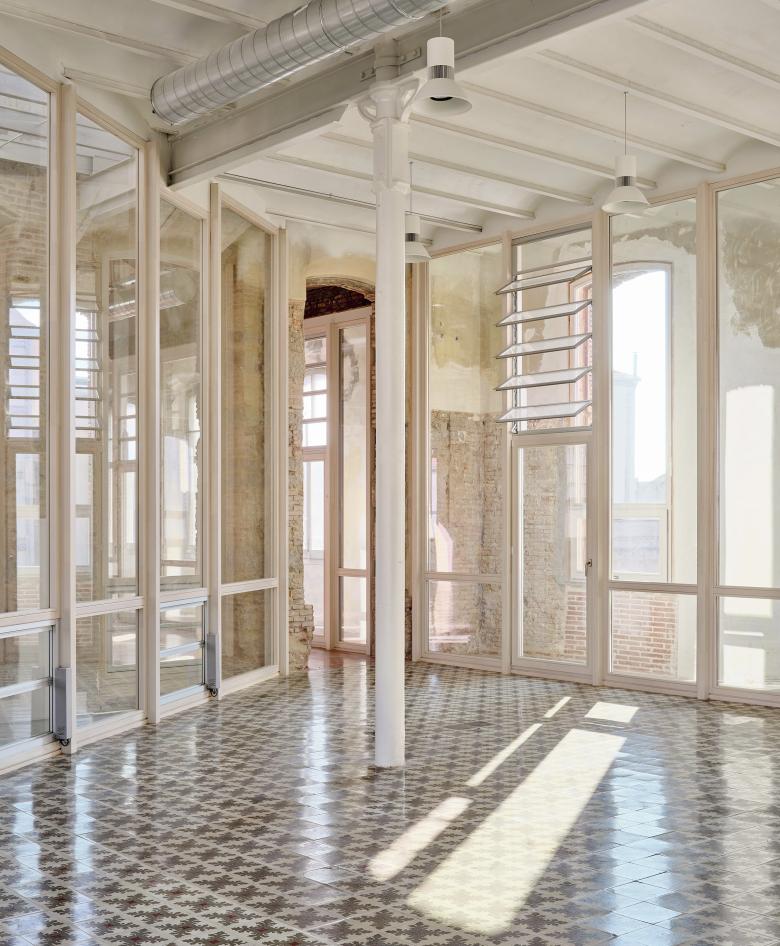
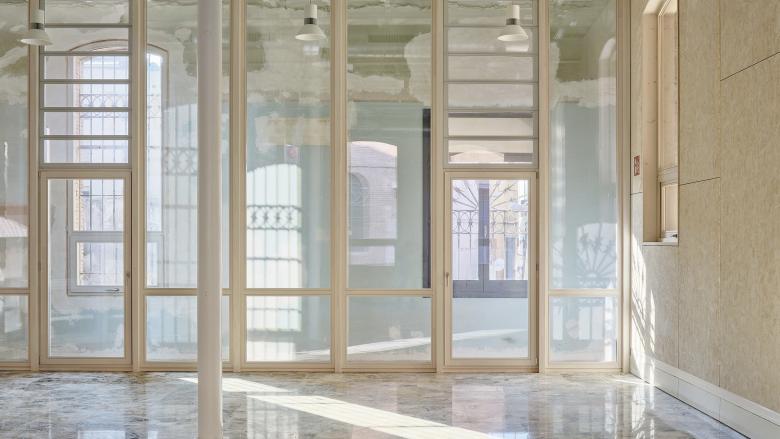
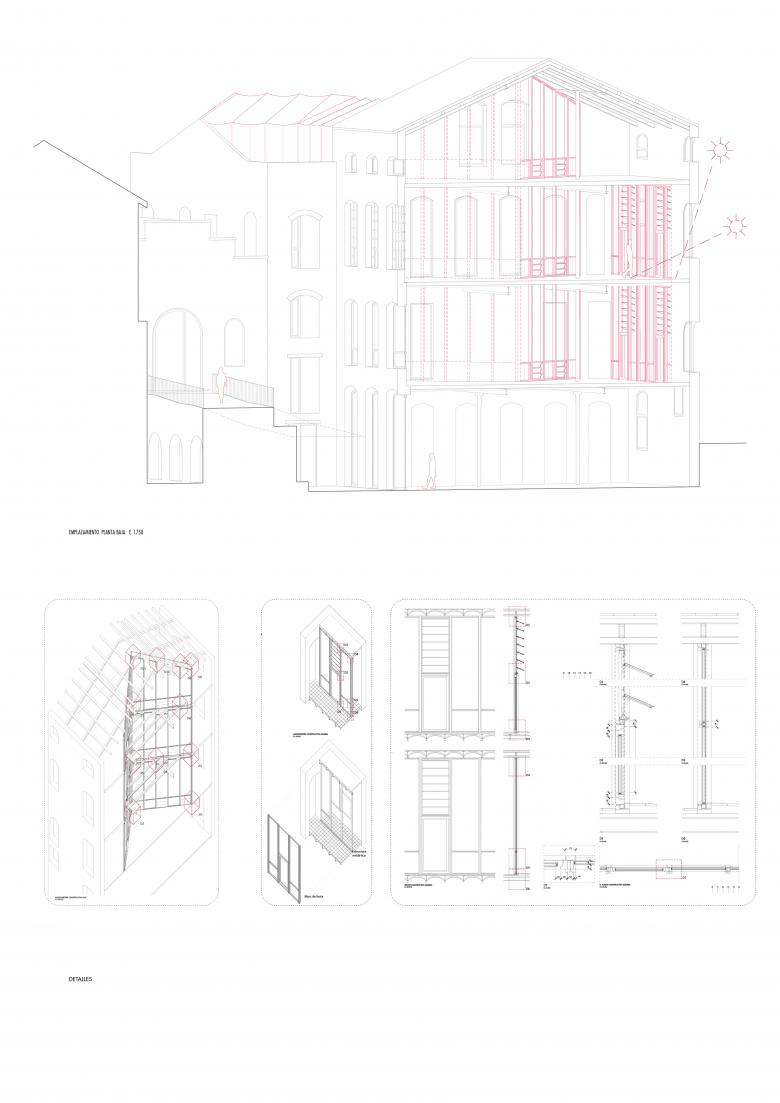
The conservation of the façades and the memory of the original interior volumes form the foundation of the proposal, reinforced by a passive environmental strategy that structures and organises the space. The introduction of a glass gallery functions as a bioclimatic buffer, providing shade and natural ventilation in summer while enabling solar gain in winter. A full-height central void operates as a vertical ventilation chimney, promoting cross ventilation, natural daylighting and visual connectivity between floors, while revealing a historic interior façade.
Through this intervention, the energy strategy becomes a tool for interpreting, preserving and updating heritage. The project extends beyond the building itself to influence public space and contribute to architectural, urban and social regeneration, fostering sustainability, health and quality of life.
- Anno
- 2025
- Project Status
- Costruito
- Cliente
- Ajuntament de Manresa
- Team
- Josep M Cubí i Surinyach, Laura Bigas Montaner, Amàlia Casals Gil, José Amor
- Engineering
- Ardèvol Consultors Associats, S.L.P
- Structures
- Eskubi-Turró Arquitectes S.L.P
- MEP Engineering
- AIA Salazar-Navarro Instal·lacions arquitectòniques, S.L & BIS MEP Systems, S.L.P